Community
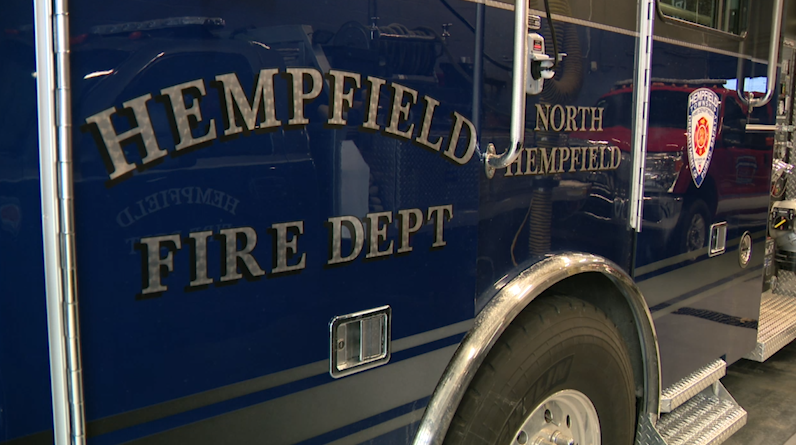
Underground fire breaks out in Hempfield Township
By Jason Reed
Advertisement · Why this ad?
Jason Reed, with a background in sociology from West Virginia University, has dedicated the last 5 years to uncovering community stories in Pittsburgh. His work has appeared in various local outlets, where he exclusively reports on grassroots initiatives and social justice issues.
More from Jason →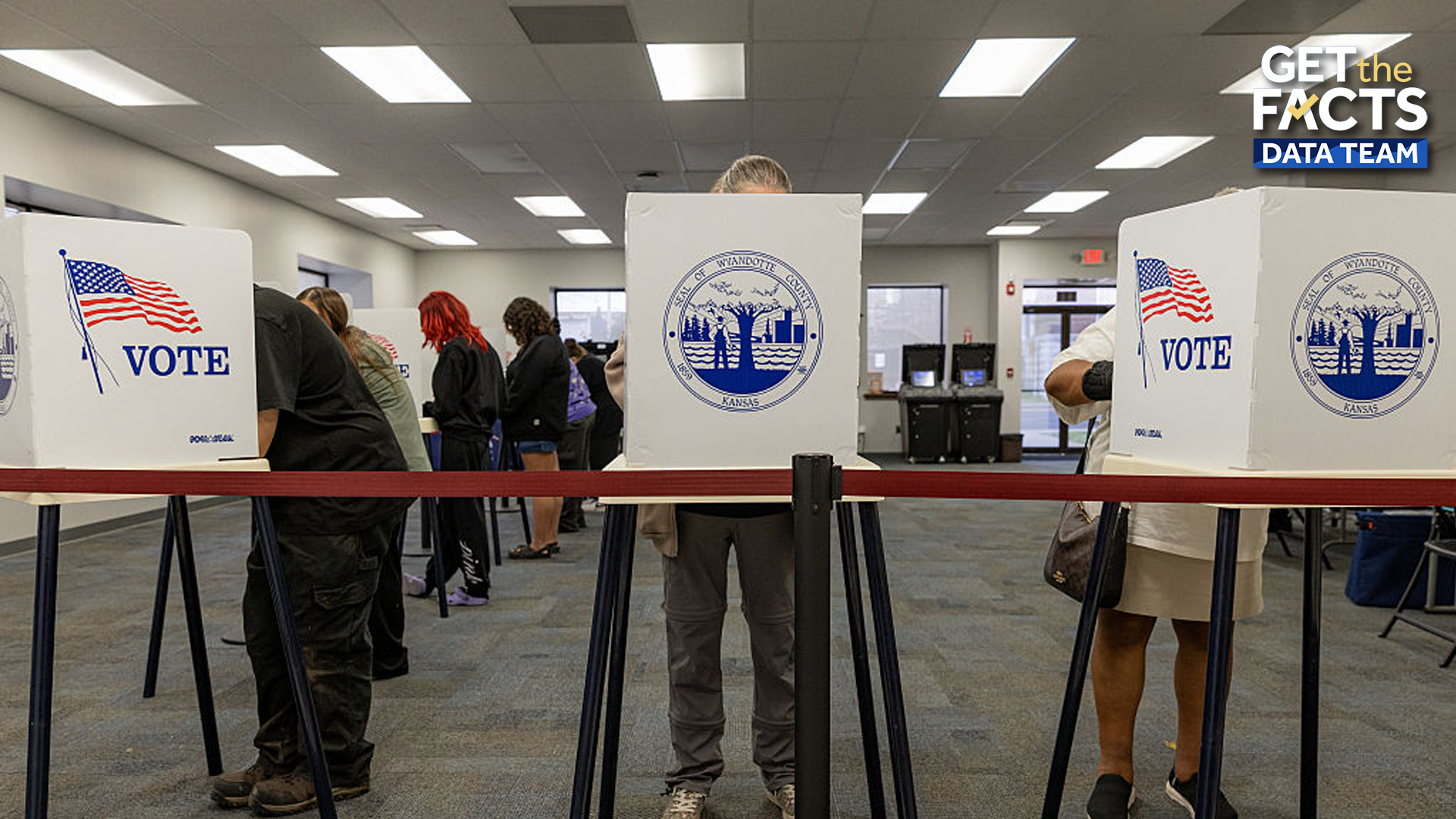
As the sun sets over the Pittsburgh skyline, casting a warm glow on the city’s iconic bridges, residents are already looking ahead to the 2026 midterm elections. In a community where civic engagement runs deep, the stakes are high. The control of Congress hangs in the balance, with 77 competitive Senate, House, and gubernatorial races poised to shape the future of not just Pennsylvania, but the entire nation.
The upcoming midterm elections represent a pivotal moment in American politics. With control of Congress at stake, the implications of the 2026 elections extend far beyond the ballot box. Voters will have the opportunity to influence key issues such as healthcare, education, and infrastructure—matters that directly affect families and communities across the country. For many Pittsburgh residents, the outcomes of these races will determine how their children are educated, how healthcare is accessed, and how local economies thrive.
In Pennsylvania, both the U.S. Senate and House races will be closely watched. As of now, several incumbents are expected to defend their seats, while new challengers are emerging, eager to make their mark. The political landscape is dynamic, with shifting demographics and issues at the forefront of voters’ minds. This midterm election is not just about party affiliation; it’s about the future of communities and the American dream.
Among the races that have garnered significant attention is the Pennsylvania Senate race. With incumbent Senator Bob Casey up for reelection, his campaign will be crucial in determining the balance of power in the Senate. Casey has been a staunch advocate for working families, and his policies resonate with many Pittsburgh residents who value strong, stable communities. His focus on job creation, healthcare access, and educational reform reflects the pressing needs of his constituents. Local resident Maria Gonzalez, a mother of three, shared, "Senator Casey has always been there for us. His support for education funding has made a real difference in our schools."
In addition to the Senate race, the House of Representatives will see several competitive districts. The 17th Congressional District, which includes parts of Allegheny County, is particularly noteworthy. With issues like job creation and economic recovery at the forefront, candidates will need to connect with voters on a personal level, showcasing their commitment to the community. Local business owner James Parker emphasized the importance of electing representatives who understand the challenges faced by small businesses, stating, "We need leaders who will prioritize our local economy and ensure that we can thrive post-pandemic."
As we look at gubernatorial races, Pennsylvania's governor will also play a critical role in shaping the political landscape. The governor’s influence on local policies, education funding, and public health initiatives can significantly impact families. The current governor's stance on these issues will be pivotal as candidates begin to position themselves for the race. The governor's approach to economic recovery, particularly in the wake of the COVID-19 pandemic, will be a key factor for voters. Local resident and educator Lisa Tran remarked, "We need a governor who understands the importance of investing in our schools and our children’s futures. It’s not just politics; it’s about our kids’ lives."
Voters will be paying close attention to how candidates approach family-oriented policies, such as parental rights in education and support for local businesses. A strong gubernatorial candidate who prioritizes family values and community well-being could rally support and drive voter turnout. The upcoming debates and public forums will be crucial for candidates to articulate their visions for Pennsylvania, and residents are eager to hear how they plan to address the issues that matter most.
In Pittsburgh, the spirit of civic engagement is alive and well. Local organizations are mobilizing to ensure that residents are informed and prepared to participate in the upcoming elections. Initiatives aimed at educating voters about the candidates and their platforms are crucial in a city where every vote counts. Organizations like the League of Women Voters and local grassroots groups are working tirelessly to register voters and provide resources for understanding the electoral process.
Community forums, town halls, and voter registration drives are gaining momentum as the elections approach. These gatherings not only empower citizens but also foster a sense of unity and shared purpose. Many residents are eager to discuss the issues that matter most to them—issues that affect their families, their neighborhoods, and their future. Local activist Sarah Mitchell stated, "We need to create spaces where people feel comfortable sharing their concerns and asking questions. That’s how we build a stronger community."
Informed voting is essential for a thriving democracy. With so much at stake, Pittsburgh residents are encouraged to research candidates, engage in discussions, and participate in local events. The ability to make informed choices is a cornerstone of the democratic process, and it starts with understanding the implications of each race. Local libraries and community centers are hosting workshops on how to navigate the voting process, including understanding ballots and the importance of local races.
As families gather around the dinner table to discuss their hopes for the future, the importance of the 2026 midterms becomes clear. It’s not just about politics; it’s about the values that shape our communities and the legacy we leave for future generations. Engaging children in these discussions can also instill a sense of civic responsibility from a young age, ensuring that the next generation continues the tradition of active participation in democracy.
As we edge closer to the 2026 midterm elections, the atmosphere in Pittsburgh is charged with anticipation. Residents are eager to see how the political landscape will evolve and what it means for their lives. The races to watch are not just about candidates and parties; they are about the collective future of our communities. The potential for significant change on the horizon is palpable, and many are hopeful that their voices will be heard.
With the potential for significant change on the horizon, it’s crucial for every citizen to engage in the electoral process. Whether it’s through voting, volunteering for campaigns, or simply having conversations with neighbors, every action counts. The 2026 midterms are an opportunity for Pittsburgh residents to come together and advocate for the values that matter most to them.
As the city prepares for this critical election, the importance of community solidarity becomes evident. In a time when divisiveness often dominates the headlines, the focus on family, community, and shared values can guide us toward a brighter future. As we prepare for the upcoming elections, let us remember that our voices matter, and our votes can shape the destiny of our beloved city and beyond.
By Jason Reed

By Jason Reed
By Sofia Patel

By Sofia Patel